Social backlinking sounds like an easy SEO win: put your link on every social profile and post, and watch rankings climb. The reality is more modest, but social links still have a useful place in a sensible strategy.
This guide explains what social backlinks are, what they actually do for SEO, and how to use them without wasting time.
What are social backlinks?
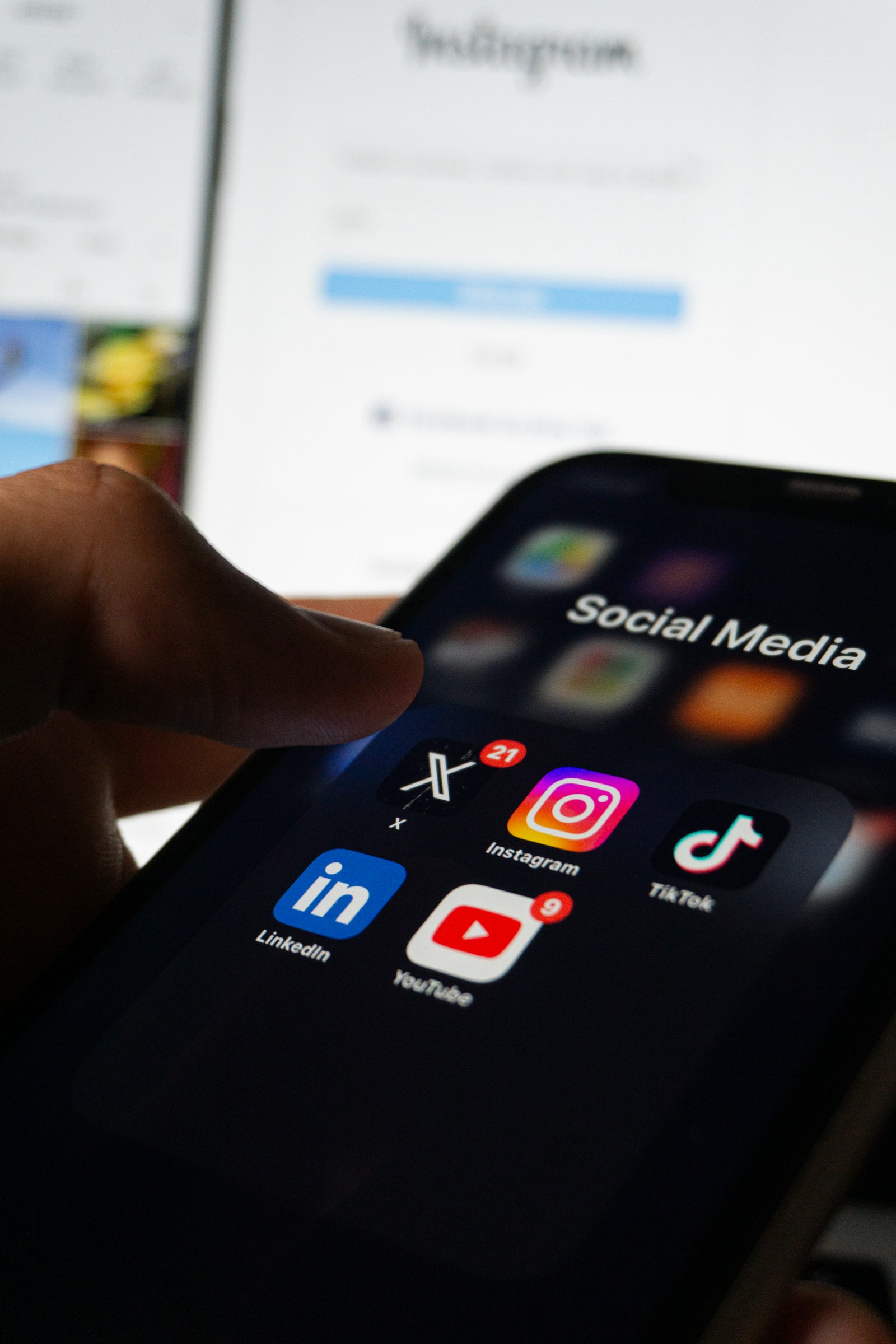
Social backlinks are links to your website from social platforms. They include profile links on LinkedIn, X, Facebook, Instagram, YouTube and Pinterest, plus links shared in posts, comments and community threads such as Reddit or Quora.
They’re easy to create, which is exactly why they work differently from editorial links on independent publications.
Do social backlinks help SEO?
Not directly in the way editorial links do. Most social platforms mark outbound links as nofollow or ugc, which tells search engines not to treat them as endorsements. Google explains these attributes in its guidance on qualifying outbound links.
So a profile link won’t pass the ranking value a link inside a respected article does. Treat anyone selling “1,000 social backlinks” as a red flag rather than a shortcut.
That doesn’t make social links useless. Their value is indirect, and it’s real.
The indirect benefits of social backlinking
Discovery. Shared links can help new pages get noticed and visited sooner, especially when people engage with the post.
Referral traffic. A link in a popular post or community thread sends real visitors, and real visitors can become customers.
Earned links downstream. When journalists, bloggers and creators see your content shared, some will cite it on their own sites, and those are the editorial links that move rankings.
Brand signals. Consistent, credible profiles help search engines and AI tools connect your brand to its official channels, as we explain in brand mentions are becoming the new backlinks.
How to build social backlinks the right way
- Complete your core profiles with your website link, consistent business name and a clear description.
- Link profiles to your site so the connection runs both ways.
- Share content worth sharing: original data, useful guides and tools travel further than announcements.
- Join real conversations and link only when it genuinely helps the reader.
- Repurpose coverage. When you earn a media placement, share it.
What to avoid
- Buying bulk social bookmarks or profile links.
- Spamming links into comments and unrelated groups.
- Creating dozens of empty profiles just to host a link.
- Expecting social links to replace editorial links.
These tactics waste time at best and damage your reputation at worst, and at scale they can fall under Google’s spam policies.
Where social backlinks fit in your SEO
Think of social links as part of off-page SEO beyond backlinks: they support visibility, trust and discovery, while editorial links do the heavy lifting for rankings.
To track the links you have, see our guide to the best link building tools. For the bigger picture, start with our link building fundamentals guide.
Frequently asked questions
Are social media backlinks dofollow?
Mostly not. Major platforms usually mark outbound links as nofollow or ugc, so they pass little or no direct ranking value.
Do social signals affect Google rankings?
Likes and shares aren’t a direct ranking factor. Social activity helps indirectly through traffic, discovery and the editorial links it can lead to.
Should I still build social backlinks?
Yes, but proportionately. Complete your main profiles and share good content, then put most of your effort into earning editorial links.
Social links plus editorial links
Social backlinking is worth doing well and quickly, then moving on. The links that move rankings come from relevant publications that choose to reference you.
Linkuild helps brands earn those placements across 880+ vetted publications. Contact us for the publication list.