Link Acquisition: A Practical Guide With Real Examples
Link acquisition is the process of getting other websites to link to yours. It covers everything from earning links with great content to actively pitching publishers and journalists.
Done well, it builds the authority and visibility that help pages rank. Done badly, it wastes budget on links Google ignores, or worse, puts your site at risk.
This guide gives you a working system: the main methods compared, how to score prospects, a real outreach email, and how to measure results. There are no invented statistics, just the process we use at Linkuild.
What is link acquisition?
Link acquisition means deliberately growing the number of quality backlinks pointing to your site. It’s the “getting” part of link building: finding opportunities, securing placements and checking they go live.
You’ll see three terms used almost interchangeably:
- Link building: the overall discipline, including strategy and target pages.
- Link acquisition: the active work of securing specific links.
- Link earning: attracting links naturally because your content deserves them.
The best programmes combine all three. You create assets worth citing, then acquire links to them through outreach.

Why link acquisition matters
Links help Google discover your pages and understand how they relate to others, as its link best practices explain. Links from relevant, trusted sites also act as endorsements that support rankings.
Quality links bring referral traffic and brand exposure too. Those mentions increasingly shape what AI tools say about you, which is why brand mentions are becoming the new backlinks.
Link acquisition methods compared
| Method | Effort | Link quality | Risk | Best for |
|---|---|---|---|---|
| Digital PR | High | Very high | Low | Brands with data or expert angles |
| Guest posting | Medium | Medium to high | Low if relevant | Building topical authority |
| Linkable assets | High upfront | High | Low | Passive links over time |
| Unlinked mentions | Low | Medium to high | Very low | Established brands |
| Broken link building | Medium | Medium | Low | Sites with strong resources |
| Resource pages and directories | Low | Low to medium | Low if curated | Local and niche businesses |
| Bought links that pass ranking credit | Low | Often worthless | High | Not recommended |
The last row breaks Google’s link spam policies. Paid placements are fine for visibility, but the link should be marked sponsored or nofollow, as Google explains in its guidance on qualifying outbound links.
A 6-step link acquisition workflow
1. Choose your target pages
Pick a few pages that matter commercially and deserve links. Guides, data pages and tools attract links far more easily than sales pages.
If a page wouldn’t impress an editor, improve it first using Google’s advice on helpful, people-first content.
2. Find prospects
Use a backlink tool to see who links to competitors but not to you. Add publications your customers read, journalists who cover your topic and sites that already mention your brand.
Our roundup of the best link building tools covers the options for each job.
3. Score every prospect
Don’t rely on one authority metric. Score each site from 0 to 2 on five questions, giving a total out of 10.
| Question | 0 | 1 | 2 |
|---|---|---|---|
| Is the site about our topic? | Unrelated | Partly | Closely |
| Does it get real organic traffic? | None | Some | Steady or growing |
| Is there real editing? | Publishes anything | Some standards | Named authors, clear standards |
| Are its outbound links sensible? | Links to spam | Mixed | Relevant sources only |
| Would our customers read it? | No | Maybe | Yes |
Worked example: a specialist marketing blog that covers SEO weekly, gets steady traffic, has named editors, links carefully and is read by agency owners scores 2+2+2+2+2 = 10. A general “write for us” site covering crypto, pets and travel might score 0+1+0+0+0 = 1.
Pitch sites scoring 7 or more first. Skip anything under 5, whatever its authority score.
4. Pitch with a reason to say yes
Every pitch should answer one question for the editor: why is this good for my readers? Here’s an example for a guest contribution:
Subject: Article idea for your SEO section: auditing backlinks after a spam update
Hi Sarah, I enjoyed your recent piece on Search Console reports, especially the section on filtering by date.
Your readers might find a practical follow-up useful: a step-by-step backlink audit after a Google spam update, with a scoring checklist they can copy. I run link campaigns at Linkuild and can include real examples.
Would that suit your editorial calendar? Happy to send an outline first. Adnan
It works because it’s specific, references their work, offers a clear reader benefit and doesn’t mention a link at all.
5. Follow up once or twice
Editors are busy, and a polite nudge is normal. A simple cadence works:
- Day 0: send the pitch.
- Day 5–7: one short follow-up adding something new, such as a second angle.
- Day 14: a final note, then move on.
Never send more than two follow-ups. Persistence beyond that damages your reputation with editors.
6. Verify and record every link
When a link goes live, check the page, target URL, anchor text and link attribute. Log it in a sheet with the publication and date, and check it again after a month.
Link acquisition quality checklist
Before you accept any placement, confirm it passes all six checks:
- The site scored 7+ on the prospect scorecard.
- The content is genuinely useful to that site’s readers.
- The link sits naturally in the body text.
- Anchor text is branded, descriptive or a plain URL, not a repeated exact-match keyword.
- Paid placements are labelled and use sponsored or nofollow.
- The page is indexed and gets traffic.
New sites vs established sites
New sites should start with the easiest legitimate wins: business profiles, relevant directories, partners, suppliers and a few strong guest posts. Building a couple of genuinely useful resources early makes later outreach much easier.
Established sites should mine what they already have. Reclaim unlinked mentions, update and re-promote top resources, and invest in digital PR for higher-authority coverage.
In both cases, steady and relevant beats sudden bursts. A natural profile grows as your brand grows.
How to measure link acquisition
Track these together rather than counting links alone:
- Referring domains from relevant sites, month by month.
- Rankings and clicks for the target pages in Search Console.
- Referral traffic from the linking pages.
- Branded searches, which often rise with good coverage.
- Link survival: how many links are still live after three and six months.
Expect results over months, not weeks. Search engines need time to crawl new links and reassess your pages.
Mistakes to avoid
- Buying bulk link packages or using link networks.
- Chasing authority scores on irrelevant sites.
- Using the same commercial anchor text everywhere.
- Mass-sending generic pitches.
- Ignoring spam updates. Our breakdown of the September 2026 spam update shows why link quality keeps getting more important.
Frequently asked questions
What is link acquisition in SEO?
It’s the active process of securing backlinks from other websites to yours, through methods such as outreach, guest posting, digital PR and mention reclamation.
Is link acquisition the same as link building?
Nearly. Link building is the wider discipline, including strategy and target pages. Link acquisition is the hands-on work of securing the links.
What is the safest link acquisition method?
Earning links with useful content and digital PR, plus reclaiming unlinked brand mentions. These carry very little risk because the links are editorial.
How many links should I acquire each month?
There’s no safe magic number. Focus on relevance and quality, and grow at a pace that matches your content and brand activity.
Get help with link acquisition
Link acquisition rewards consistency, judgement and real relationships with editors. If you’d rather not build that in-house, Linkuild places clients on a large, hand-vetted network of top tier publications, with every placement checked against the standards above.
Read our link building fundamentals guide for the bigger picture, see what to ask any agency before you hire, or contact us for the publication list.
What Are Backlinks? The Complete Guide for 2026
Backlinks are links from one website to another. If a respected industry site links to your guide, that link is a backlink to your site.
Search engines treat good backlinks as votes of confidence. They help Google discover your pages, understand what they’re about and judge how far they can be trusted.
This guide explains what backlinks are, the different types, what makes one valuable, how to earn them safely and how to check your own. It’s written from the work we do every day placing clients on real publications at Linkuild.
What are backlinks?
A backlink, also called an inbound or incoming link, is a clickable link on another website that points to a page on yours.
From your side it’s a backlink. From the linking site’s side, it’s an outbound link. The visible, clickable words are called the anchor text.
Here’s a simple example. If a marketing blog writes “this guide to guest posting explains the rules” and links those words to your article, you’ve earned a backlink with the anchor text “guide to guest posting”.

Why backlinks matter for SEO
Links are one of the main ways Google finds new pages and understands how pages relate to each other. Google’s own link best practices describe how it uses links and anchor text for both.
A link from a relevant, trusted site also signals that your content was worth referencing. Pages that rank at the top for competitive searches almost always have stronger link profiles than the pages below them.
Backlinks bring two more benefits beyond rankings:
- Referral traffic: real people click links and visit your site.
- Brand visibility: a mention on a respected publication puts your name in front of new readers, and in front of AI tools that learn from those publications.
Do they still matter in the age of AI answers? Yes, though their role has shifted. We cover that in detail in do backlinks still matter for AI search.
Types of backlinks
Every link carries an attribute that tells search engines how to treat it. Google explains these in its guidance on qualifying outbound links.
| Type | What it means | Typical use |
|---|---|---|
| Followed (“dofollow”) | No special attribute; can pass ranking credit | Editorial links in articles |
| rel=”nofollow” | Asks search engines not to treat it as an endorsement | Links the site doesn’t vouch for |
| rel=”sponsored” | Marks a paid or sponsored link | Advertorials, paid placements |
| rel=”ugc” | User-generated content | Comments, forums, social posts |
Google treats nofollow, sponsored and ugc as hints rather than strict rules. Qualified links still send traffic and brand exposure, so they aren’t worthless.
Links are also grouped by where they come from: editorial links in articles, guest post links, directory and citation links, resource page links, and social backlinks from profiles and posts. Editorial links are by far the most valuable.
What makes a good backlink?
Not all backlinks are equal. One strong link can outweigh hundreds of weak ones, so judge every link on these five points.
- Relevance. The linking site and page cover a topic related to yours, and its readers could plausibly be your customers.
- Trust and authority. The site is established, publishes real content and has its own reputation. Third-party scores help screen sites, but they aren’t Google metrics.
- Editorial placement. Someone chose to link to you inside the body of an article, rather than in a footer, sidebar or link page.
- Natural anchor text. The words fit the sentence. Brand names, descriptive phrases and plain URLs look natural; the same exact keyword on every link does not.
- Real traffic. The page gets visitors, so the link can send people as well as signals.
Good backlinks vs bad backlinks
| Good backlink | Bad backlink |
|---|---|
| Article on a relevant publication with real readers | Site that publishes anything for a fee, on any topic |
| Link placed because it helps the reader | Link stuffed into thin content written to carry it |
| Varied, natural anchor text | Same commercial keyword repeated across many sites |
| Earned through content, PR or outreach | Bought in bulk packages, networks or automated tools |
Google’s spam policies list the link schemes it treats as manipulation, including buying links that pass ranking credit, excessive link exchanges and automated link building. Links like these may be ignored, and large-scale abuse can lead to manual action.
How to get backlinks
Every lasting method follows the same idea: create something worth referencing, then make sure the right people see it.
1. Create linkable content. Original data, detailed guides, free tools and templates attract links over time. Google’s advice on helpful, people-first content is the right standard to aim for.
2. Digital PR. Pitch newsworthy stories, data or expert comment to journalists. Coverage on real publications earns some of the strongest editorial links, as explained in how a digital PR agency builds rankings.
3. Guest posting. Write genuinely useful articles for relevant publications with real editorial standards. Our guide to guest posting in 2026 covers what editors accept.
4. Unlinked mention reclamation. Find places that mention your brand without linking and ask for a link. This works because brand mentions are becoming the new backlinks in their own right.
5. Broken link building. Find dead links on relevant pages and suggest your working resource as a replacement.
6. Resource pages and quality directories. Get listed on curated industry resources and well-maintained directories, especially for local businesses.
7. Media placements. Editorial placements on established publications combine a link with brand exposure, as covered in how media placements drive growth.
For a deeper walkthrough of each method, see our link building fundamentals guide.
How to check your backlinks
Start with Google Search Console. Its Links report is free and shows your top linking sites, most-linked pages and the anchor text Google sees.
For competitor research, use a backlink tool such as Ahrefs or Semrush to see who links to rival sites but not to yours. Our roundup of the best link building tools compares free and paid options.
Review your profile every month. Look for new links worth thanking, lost links worth recovering, and sudden spikes of spammy links worth investigating.
What to do about spammy backlinks
Most sites pick up some low-quality links naturally, and Google is generally good at ignoring them. You usually don’t need to act on a handful.
If you see a large wave of obvious spam, such as thousands of links from unrelated foreign-language or spam-domain sites, document it and consider a disavow file in Search Console for the worst domains. Use disavow carefully, because removing good links by mistake can hurt you.
How many backlinks do you need?
There’s no magic number. Look at the pages ranking for your target search and compare the quality and relevance of their links, not just the count.
A few strong editorial links from relevant publications often move a page further than dozens of weak ones. Links also work best alongside solid content and the wider off-page SEO signals that build trust.
Frequently asked questions
What is a backlink in simple words?
A link on another website that points to your website. Search engines treat good ones as recommendations.
Are backlinks still important in 2026?
Yes. They remain a core signal for discovery and rankings, and rankings feed the pages AI answers draw from. Google confirms the same SEO fundamentals apply to its AI features.
Can I buy backlinks?
Buying links that pass ranking credit breaks Google’s spam policies. Paid placements are fine for visibility when they’re labelled and the link is marked sponsored or nofollow.
Do nofollow backlinks help?
They pass less direct ranking value, but they still bring traffic, brand exposure and often lead to editorial links later.
How long do backlinks take to work?
Usually weeks to months. Search engines need to crawl the linking page and reassess your page alongside everything else.
Earn backlinks worth having
The best backlink strategy is simple to describe and hard to fake: relevant links from real publications, earned with content and outreach that respect readers and editors.
Linkuild places clients on a large, hand-vetted network of top tier publications, from niche trade titles to names like Forbes and Entrepreneur, with editorial approval always respected. See what to look for in link building services, or contact us for the publication list.
Best Link Building Tools in 2026 and What Each One Is For
Ask ten SEOs for the best link building tool and you’ll get ten answers, because no single tool does the whole job. Link building has four distinct stages, and each needs a different kind of tool.
This guide groups the tools we see used most by what they’re actually for, so you can build a stack that fits your budget instead of paying for features you’ll never open.
The four jobs a link building tool can do
- Research: see who links to you and your competitors.
- Prospecting: find sites worth approaching.
- Outreach: find contacts, send pitches and track replies.
- Monitoring: check live links, lost links and new brand mentions.
Most “best tool” debates are really arguments about stage one. The other three matter just as much.
Free tools to start with
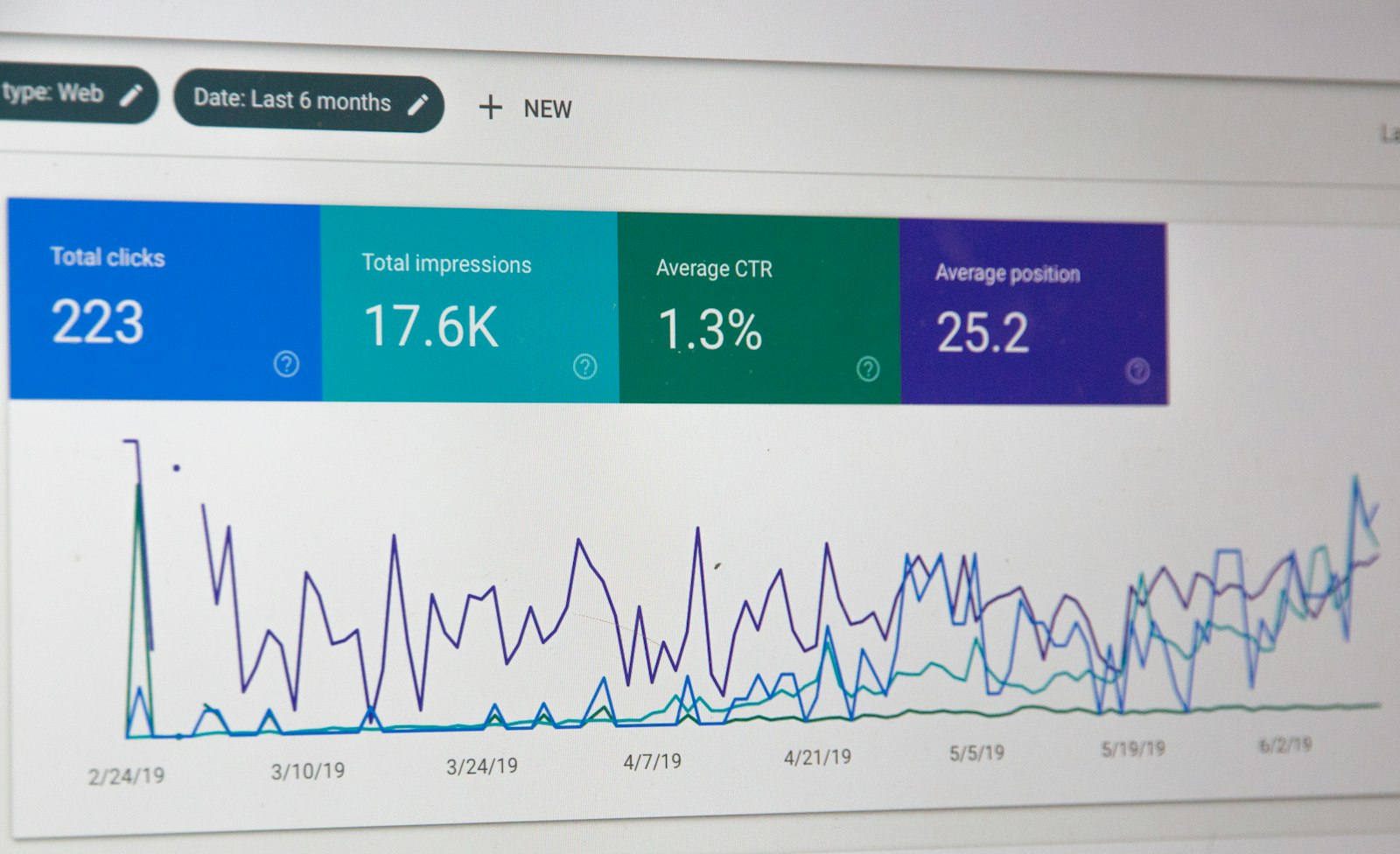
Google Search Console. Its Links report shows your top linking sites, your most-linked pages and the anchor text Google sees. It’s free, it’s Google’s own data, and it should be the first place you look.
Google Alerts. Set alerts for your brand, products and founders’ names to catch new mentions. It’s basic but useful for finding unlinked brand mentions worth converting into links.
Free tiers of paid tools, such as Ahrefs Webmaster Tools for sites you own, add backlink data on top of what Search Console shows.
Backlink research tools
Ahrefs. Known for one of the largest backlink indexes. Site Explorer shows any domain’s backlinks, and Link Intersect reveals sites linking to competitors but not to you, which is one of the fastest ways to build a prospect list.
Semrush. Backlink Analytics and Backlink Gap cover the same ground, and Backlink Audit helps flag risky links. It also includes a Link Building Tool for gathering prospects and managing outreach in one place.
Moz Link Explorer. Home of the Domain Authority metric. Useful as a second opinion, but remember DA is a third-party estimate, not a Google ranking factor.
Majestic. A link-focused tool known for its Trust Flow and Citation Flow metrics, which some teams use to screen sites for quality.
For most businesses, Ahrefs or Semrush is the best single research tool. Pick one rather than paying for both, and use the other’s free tier for spot checks.
Outreach tools
BuzzStream. An outreach CRM that keeps contacts, pitches and follow-ups organised, so nobody gets emailed twice and every conversation has a history.
Pitchbox. Built for agencies and larger teams running outreach at scale, with sequences and workflow tools.
Hunter. Finds and verifies email addresses for a given domain, which saves hours of guessing contact details.
Whatever you use, personalise every message. Tools make outreach faster, but they can also make bad outreach faster. Our guide to guest posting in 2026 covers what editors actually respond to.
Digital PR and journalist request tools
Some of the strongest links come from journalists asking for expert sources. Platforms such as Qwoted, Featured and ResponseSource in the UK collect those requests in one place.
Reply fast with a short, quotable answer and a one-line bio. This is how many brands earn coverage on national publications, as we explain in our guide to how a digital PR agency builds rankings.
A simple tool stack by budget
No budget: Google Search Console, Google Alerts, a free email finder allowance and a spreadsheet to track outreach.
Small budget: one research tool (Ahrefs or Semrush) plus Search Console. This covers research, prospecting and monitoring for most small businesses.
Agency or in-house team: a research tool, an outreach CRM such as BuzzStream or Pitchbox, an email finder and journalist request platforms.
What no tool can do
Tools find opportunities, but they can’t judge whether a site has real readers, whether a topic fits its editors, or whether a link would look natural. That still needs human judgement.
They also can’t make a manipulative tactic safe. Automated link schemes and bought links that pass ranking credit break Google’s link spam policies, whatever software you used to build them.
Our link building fundamentals guide covers the judgement side, from relevance to anchor text.
New to the basics? Start with our explainer on what backlinks are and how Google uses them.
Frequently asked questions
What is the best link building tool?
For most businesses, Ahrefs or Semrush is the best all-round choice for backlink research and prospecting. Add Google Search Console for free first-party data and an outreach tool once you pitch at volume.
Are there free link building tools?
Yes. Google Search Console and Google Alerts are free, and several paid tools offer free tiers or limited free reports.
Can a tool build links for me automatically?
Tools that promise automatic links usually rely on spammy methods that Google devalues or penalises. Good links still come from relevant content and real outreach.
Tools plus relationships
The best link building tool is the one that fits the stage you’re stuck on. Most teams need research data first, then a simple outreach system, then patience.
If you’d rather skip the tooling, Linkuild gives you access to 880+ vetted publications and handles fit checks, content and publisher communication. See what to look for in link building services, or contact us for the publication list.
Link Building Services UK: What to Look for Before You Hire
If you are comparing link building services UK providers, do not start with the size of an outlet list or a promise about domain authority. Start with the business result you need.
A credible provider should explain which pages deserve support, which audiences matter, and how each placement fits your wider search strategy. Without that foundation, even an impressive backlink becomes an isolated asset that does little for visibility or qualified traffic.
This guide covers the checks we use at Linkuild when we plan UK campaigns, so you can apply the same tests to any provider you are considering.
A strong link building brief starts with business priorities
The first sign of a capable provider is the quality of the questions they ask. They should want to understand your products, margins, priority markets, customer journey and current organic performance.
They should also review the pages you want to strengthen. A homepage, a commercial service page, a research asset and a category page each need a different approach.
That context should become a focused brief. It names the themes your brand can speak about credibly, the publications your buyers read, the landing pages that can reasonably receive links, and the anchor text that feels natural in editorial copy. This is how a campaign avoids irrelevant placements and forced links.
Relevance matters more than a headline metric
Authority metrics help with initial screening, but they are not a substitute for judgement. A useful placement makes sense at three levels: the publication is credible, the article is relevant to the topic, and the link helps the reader rather than interrupting the copy.
Ask to see how the provider evaluates a publication. A serious review looks at editorial quality, topical focus, signs of real readership, recent publishing consistency, outbound link patterns and whether sponsored material is clearly separated from independent reporting.
Geography matters too. For a UK-first campaign, British readership, terminology and commercial context can be worth more than a larger but unrelated global audience.
A link on a strong site can still be weak if it sits in a generic article written only to carry a URL. A well placed reference in a respected niche publication can be far more valuable because the audience and context are right.

You should know where your brand may appear
Some providers hide their publication inventory until after payment, or offer only broad categories. That removes your ability to judge brand fit, so establish before you hire whether you can review and approve proposed outlets.
Linkuild gives clients a choice of publications rather than treating placement as a mystery. Our list covers 880+ publication opportunities, including top tier business and technology titles such as Forbes, TechCrunch and Entrepreneur.
Availability is not the same as guaranteed acceptance. Every serious publication applies its own editorial criteria, and the topic must fit. The practical advantage is transparency: you choose preferred outlets while we assess suitability and manage the placement process.
This model is especially useful when your brand has strict compliance requirements or a clearly defined audience. You can exclude unsuitable categories, prioritise UK titles, and balance national authority with specialist relevance.
Editorial standards protect the value of the placement
Ask who writes the article, who reviews it and what happens if an editor requests changes. Content built for publication should read as a complete article, not an advertisement with a backlink added.
It needs a defensible angle, accurate claims, natural brand integration and a reason for the reader to care. The best providers reject weak topics before outreach begins.
They will also tell you that an editor may change a headline, remove unsupported claims, request sources or decline the submission. That uncertainty is part of genuine editorial work. A provider who guarantees acceptance everywhere may be selling access to low-control inventory rather than earning suitable placements.
In the UK, paid editorial content also needs to be clearly identified to readers. The ASA guidance on advertisement features explains how publishers should label it, and a good provider will respect those rules rather than work around them.
The link itself needs a sensible purpose
Ask the provider to explain its approach to destination pages and anchor text. Exact match commercial anchors should not dominate the plan.
Branded anchors, descriptive phrases and plain URLs usually fit editorial sentences more naturally. The mix should reflect the page, the publication and the wording around the link.
Also clarify link attributes. Some publications use followed links, while others apply nofollow or sponsored attributes as policy. Google’s own guidance on qualifying outbound links explains why publishers do this, and its link spam policy is clear that buying links to manipulate rankings is a risk.
A trustworthy provider states what is known, what the publisher may change and what cannot be controlled. An honest “we can’t guarantee that” is better than a promise nobody can enforce.
Reporting should show decisions, not just links
A final URL is necessary, but it is not enough. Useful reporting connects each placement to the original plan.
It should record the publication, live article, target page, anchor text, visible link attribute, publication date and any editorial conditions that matter.
Avoid judging the work only by immediate ranking movement. Search performance depends on technical health, content quality, competition and seasonality. Review links alongside organic visibility, page performance, referral traffic and brand search trends, and be wary of any provider claiming sole credit for every gain.
Risk management separates professionals from vendors
Before signing, ask what the provider refuses to do. The answer is revealing, and our seven questions to ask a link building agency in the UK turn those concerns into a structured review.
A responsible team avoids hacked sites, private site networks, irrelevant bulk placements, misleading publisher claims and content that could damage your reputation.
Agree what happens if a link is changed or removed. Publishers control their own websites, so permanent placement cannot be an absolute promise. The provider should have a clear process for checking the issue, contacting the publisher and explaining the available remedy.
Brand safety deserves equal attention. Share restricted topics, competitor exclusions, regulatory wording and markets you do not want to target, and make sure those constraints are applied before any pitch is sent.
A practical checklist before you hire
A reliable decision can be made with a short set of tests:
- Recommendations link to your commercial and organic search priorities.
- You can review or choose publications before placement.
- Relevance and editorial quality carry more weight than a single authority score.
- Content is written for readers and passes a defined review process.
- Link destinations, anchors and attributes are discussed openly.
- Reporting covers both live results and work in progress.
- Risks, exclusions and publisher-controlled changes are acknowledged in writing.
If a provider cannot answer these points clearly, a longer outlet list will not fix the underlying problem. If you are weighing an agency against an independent specialist, our comparison of a link building company vs a freelancer covers the trade-offs.
For the full process behind each placement, see our guide to link acquisition.
Frequently asked questions
How much do link building services in the UK cost?
Pricing depends on the publications involved, the content required and the level of strategy and reporting included. Placements on top tier national titles cost far more than niche blogs, so ask for publication-level pricing rather than a flat fee per link.
How long before links affect rankings?
Most campaigns need several months before the impact is clear, because search engines must crawl and evaluate new links alongside everything else on your site. Treat early movement as a signal, not a verdict.
Is digital PR better than link building?
They overlap. Digital PR earns coverage through newsworthy stories, while link building can also include guest posts and editorial placements. Our guide to how a digital PR agency builds rankings explains when each approach fits.
Linkuild’s approach to UK link building
Linkuild is a link building and digital PR agency that UK businesses use for press-led campaigns. We work with clients who want publication choice, clear execution and access to a broad editorial network.
You can select from 880+ publication opportunities, including respected business and technology outlets, while our team handles fit assessment, content coordination and publisher communication. If location matters to your campaign, see why a London link building agency can still make a difference.
Contact Linkuild or email info@linkuild.com with your website, target market and priority pages. A useful first conversation should clarify fit before it discusses volume.
Link Building Company UK vs Freelancer: Which Gets Results?
Choosing between a link building company UK brands can retain and an independent freelancer is not a simple contest between large and small. Both models can work.
The better choice depends on campaign scope, the quality of the operator, the control you need and the risk your team can manage. Wrong decisions usually come from comparing job titles instead of processes.
Start with the work, not the provider type
Define what the campaign actually requires. A narrow project might mean reviewing a backlink profile, finding a few specialist sites and managing a short outreach list, and one experienced freelancer can handle that well.
A broader programme includes strategy, competitor research, content planning, publisher relationships, writing, editing, quality assurance, reporting and recovery when a placement changes.
That workload is easier to manage when several people own distinct parts of the process.
Freelancers offer focus and direct access
A good freelancer gives you direct contact with the person doing the work, with no account layers in between. This model works best when the brief is stable and the volume is realistic for one person.
It also helps when you can provide close direction. You may already know the pages, angles and sites you want, leaving the freelancer to execute a defined task.
The main risk is capacity. If the freelancer becomes unavailable, the campaign stops, and one person may be expected to cover strategy, writing, outreach and reporting even when their real strength is only one of those.
Ask what they do personally, what they subcontract and how they handle absence or competing deadlines.
A company covers the whole process
A link building company can divide work among people with different skills. A strategist sets priorities, a researcher assesses outlets, a writer develops content and an account lead keeps approvals moving.
Continuity is another benefit. A team is less dependent on one person’s schedule, so if an editor requests changes or an outlet becomes unsuitable, someone still owns the next step.
Formal review also catches weak claims, unnatural anchors and brand conflicts before publication.

Compare access without confusing it with quality
Freelancers may have strong personal publisher relationships. Companies may have wider networks built across many campaigns.
In either case, access is not proof that every available publication is right for your brand. Ask how outlets are selected, because subject relevance, editorial standards, readership and link context matter more than a long spreadsheet.
A publication that accepts almost any subject may carry less value than a smaller title with a genuine specialist audience.
Linkuild offers access to 880+ publication opportunities and lets you choose preferred outlets, including leading business and technology names such as Forbes, TechCrunch and Entrepreneur. Placement still depends on editorial fit, and that client control is often missing from closed packages.
For a deeper checklist, read what to look for in link building services UK providers.
Strategy ownership is the major dividing line
Many disappointing campaigns fail before outreach begins. Nobody has decided which pages need support, which topics the brand can own or how links will complement existing content.
A company may have more strategic resources, but don’t assume they are included, because some packages separate strategy from execution.
A freelancer may give excellent advice but lack the time or contacts to deliver it at scale. Put the expected output in writing so you can compare like with like.
Quality control needs more than a final URL
Link building has several points of failure. The publication may be irrelevant, the content may make unsupported claims, the anchor may feel forced or the live article may use a different link attribute from the one agreed.
Ask how each provider reviews work before and after publication. A sound process includes outlet screening, content approval, fact checks, anchor review and a live page check.
Both models should also work within Google’s link spam policies. Placements that exist only to pass ranking credit create risk for your site, whoever builds them.
Communication should match the pace of the campaign
Direct freelancer communication can be efficient, but it may become irregular during busy periods. A company can provide regular account management, though too many handovers slow decisions.
Ask about response expectations, approval routes and reporting frequency. For campaigns built on timely press angles this matters even more, as our guide to choosing a digital PR agency in the UK explains.

Risk sits with you unless the contract addresses it
Whether you hire a freelancer or a company, your brand appears in the content. You need to know which methods are prohibited, which topics are restricted and how publisher claims are verified.
Ask whether the provider uses private site networks, paid link farms, automated outreach or recycled articles. Ask who owns the content and data, and what happens if a link is removed or an outlet fails agreed checks.
Contracts should describe deliverables without pretending editorial decisions can always be guaranteed. Vague promises create disputes, while specific responsibilities create accountability.
Cost comparison needs the full scope
A freelancer may look cheaper because overhead is lower. A company may include strategy, writing, editing, publisher communication and reporting in one engagement.
Comparing only the headline fee hides the cost of work your internal team must absorb. Equally, don’t pay for layers of account management that add no value, and ask to meet the person responsible for delivery.
Which model suits you?
A freelancer may be the better choice when:
- The project is narrow and clearly defined.
- You need specialist knowledge in one sector or method.
- Your internal team owns strategy, content and quality control.
- The volume fits one person’s capacity.
A link building company may be the better choice when:
- Several markets, pages or content types are involved.
- You need strategy and execution under one owner.
- Continuity and formal quality checks are important.
- You want access to a wider range of publications.
- Senior stakeholders expect structured reporting.
Use our seven questions for a UK link building agency as an interview guide for either model.
Whoever you hire, ask which tools they use. Our list of the best link building tools shows what good providers rely on.
Frequently asked questions
Is a link building freelancer cheaper than an agency?
Often the fee is lower, but compare the full scope. If your team must handle strategy, writing and reporting, the true cost of a freelancer rises.
Can I use both a freelancer and a company?
Yes. Some brands use a company for core campaigns and a specialist freelancer for one niche. Just make sure both work from the same target pages and anchor plan.
How Linkuild combines scale and control
Linkuild is a link building and digital PR agency that gives clients access to more than 880 publication opportunities while letting them choose the outlets they want to pursue. Our team then assesses fit, coordinates content and manages publisher communication.
This suits businesses that want more support than one operator can usually provide but still want visibility into outlet selection. Major titles, including Forbes, TechCrunch and Entrepreneur, apply editorial standards and are never automatic placements.
Contact Linkuild or email info@linkuild.com with your website, priority pages and target market.
Link Building Agency UK: 7 Questions to Ask Before Signing
Before you appoint a link building agency UK teams should ask direct questions about how the work will be planned, placed and checked. A polished proposal can hide weak methods, while a clear interview exposes them.
The seven questions below help you judge relevance, publication access, editorial standards, reporting and risk before your brand is committed. They are the same questions we expect clients to ask us at Linkuild.
Question 1: How will you decide which pages need links?
A serious agency starts with the website and your business priorities. It reviews the pages that already attract organic traffic, the pages that support revenue and the topics where the brand can credibly compete.
The answer should go beyond “your service pages”, because different destinations need different treatment. A research report attracts editorial citations, a category page may need supporting guides, and a weak commercial page may need better content before outreach starts.
Warning sign: the agency recommends the same number and type of links for every page before reviewing the site.
Question 2: Can we review and choose the publications?
You should know where your brand may appear. Hidden inventories make it hard to assess topical relevance, readership and brand safety, so ask whether the agency shares proposed outlets before placement and lets you reject unsuitable options.
The agency should explain why each publication fits: a relevant audience, consistent coverage of the subject, credible editorial standards and a natural context for the target page. A high authority score on its own is not enough.
Linkuild lets clients choose from 880+ publication opportunities, including major business and technology names such as Forbes, TechCrunch and Entrepreneur. These remain subject to editorial acceptance, so you get transparency without pretending every submission will be approved.
Our guide to link building services UK buyers should assess covers outlet relevance in more detail.

Question 3: What editorial checks happen before publication?
Ask who writes the content, who checks facts and who approves the final draft. The article should serve the publication’s readers first, and if it reads like a sales page built around a backlink, the editor may reject it.
A clear content process covers the angle, sources, claims, brand references, link destination and anchor text. It also explains how revisions are handled when an editor asks for a new headline, extra evidence or less promotional wording.
Warning sign: the agency will not let you see the content that carries your brand name.
Question 4: How do you handle anchors and link attributes?
Anchor text is the visible wording of a link. It should fit the sentence and help the reader understand the destination, which is also what Google’s link best practices recommend.
Repeating the same commercial phrase across many articles looks forced. A natural mix includes brand names, descriptive phrases and plain URLs.
Publishers may use followed, nofollow or sponsored links according to their policies, as Google explains in its guidance on qualifying outbound links. A trustworthy agency states what is expected, checks the live page and reports what is actually present.
Warning sign: guaranteed followed links on every named news publication with no qualification.
Question 5: What will we see in the report?
A report should give you enough detail to verify the work. At minimum it shows the publication, article URL, publication date, target page, anchor text and visible link attribute.
It should also flag any material difference between the approved plan and the live result.
Ask how the agency connects placements to performance. Sensible measures include page visibility, referral activity, brand searches and qualified enquiries, and the agency should never claim that every ranking movement came from its links.
Warning sign: a monthly total with no URLs, targets or explanation.
Question 6: What methods do you refuse to use?
An agency’s boundaries matter as much as its capabilities. Ask directly about private site networks, hacked sites, automated mass outreach, link farms and recycled content.
A clear refusal protects your brand and keeps you on the right side of Google’s link spam policies. It also reduces the chance of buying placements that disappear or create clean-up work later.
Ask how publications are checked. The team should review recent content, topical consistency, outbound links, signs of real readership and any pattern suggesting the site mainly exists to sell links.
Give the agency your exclusions too, such as competitor sites, gambling, adult or political content, and make sure they are recorded before outreach.
Warning sign: the provider says every site on its list is safe but cannot explain the screening process.
Question 7: What happens when a placement changes or fails?
Publishers control their websites. They can edit an article, change a link attribute, move a page or remove content, and no agency can make that risk disappear.
The useful question is how the agency responds. Ask how long it monitors placements, how issues are reported and whether it contacts the publisher.
If a submission is rejected, establish whether the content is revised, moved to another approved outlet or returned to you. A major publication may reject a topic even when the relationship is genuine, so the agency should distinguish access from guaranteed acceptance.
Warning sign: a permanent placement guarantee with no explanation of publisher control.

Ask follow-up questions until the process is specific
A good agency welcomes precise questions, because clear expectations prevent disputes. It should be able to show a sample report, explain a recent editorial change and describe how it rejected an unsuitable opportunity.
If you are also considering an independent operator, read link building company UK vs freelancer. The same seven questions work for either.
Put the answers into the contract
A convincing sales call is not enough. Record the agreed process in the scope of work, including target markets, publication approval, content approval, link treatment, reporting fields, excluded methods and issue handling.
Don’t force the contract to promise outcomes that depend on search engines or editors. A provider can commit to its work, communication and quality checks, but it cannot honestly promise a fixed ranking or approval by a named newsroom.
The contract should also list your responsibilities. Slow approvals and repeated changes affect outreach, so set named contacts and realistic response times on both sides.
Ask how the agency responded to the September 2026 spam update. A good one will have a clear answer.
Frequently asked questions
How do I choose a link building agency in the UK?
Ask how they choose target pages, whether you can approve publications, how content is reviewed, what they refuse to do and what the report will show. Clear, specific answers are a better signal than a long outlet list.
Should a link building agency guarantee rankings?
No. Rankings depend on many factors outside any agency’s control. A trustworthy agency commits to process, quality and transparency instead.
Does location matter when choosing an agency?
It can for local market knowledge and meetings. Our article on choosing a link building agency in London explains when location genuinely helps.
How Linkuild answers these questions
Linkuild is a link building and digital PR agency. Clients choose outlets from more than 880 publication opportunities, then our team assesses topic and editorial fit, coordinates content and manages publisher communication.
The range includes respected names such as Forbes, TechCrunch and Entrepreneur, but editorial approval remains a real condition. You keep control over outlet selection with honest expectations about publication decisions.
Contact Linkuild or email info@linkuild.com with your website, UK audience, priority pages, preferred outlets and any brand restrictions. For press-led work, see how a digital PR agency builds coverage that supports search.
Link Building Agency London: Why Location Still Matters
Hiring a link building agency London businesses understand is not only about finding an office near your own. Location matters because media language, customer context, regional relevance and business expectations change from market to market.
A team can work remotely and still serve London well. It must know how UK audiences read, how British publications frame stories and when a local angle adds real value.
Market knowledge matters more than a postcode
An agency doesn’t need a London postcode to run an effective London campaign. It does need working knowledge of the market: British spelling, local terminology, sector expectations and the difference between a national business story and a London-specific one.
A campaign can fail when copy feels imported. References to American regulations, prices or consumer habits weaken a pitch aimed at UK editors, and even small language choices show whether the writer understands the reader.
Local knowledge also shapes publication selection. A trade title, national newspaper, borough publication and international business site serve different purposes, and the agency should explain which audience each reaches.
London creates concentrated editorial opportunity
London is a centre for finance, technology, professional services, retail, culture and public policy. That concentration creates many possible angles, but also heavy competition for editors’ attention.
A generic company announcement is unlikely to stand out. The agency must find a useful reason for coverage, such as expert comment on a current UK issue, sound regional data, a change affecting London customers or a case study with wider relevance.
The best local angle is specific without becoming trivial. A borough-level statistic is useful if the evidence is strong and the publication serves that area, but adding “London” to a headline without changing the substance is not a local strategy.

Relationships help, but relevance closes the gap
Media relationships help an agency understand what an editor covers and how they like to receive pitches. They don’t turn a weak idea into a publishable one, so be wary of anyone treating journalist contacts as a guarantee.
Ask how the agency researches recent coverage and adapts each pitch. A responsible team checks whether the writer covers the topic, whether the timing is right and whether the source offers something the article needs.
This is where experience as a digital PR agency in the UK matters. A relationship may get a pitch noticed, but the story still has to earn its place.
Local links only help when they fit the business
A London company doesn’t need every backlink to come from a London website. The right geographic mix depends on where customers are, what the target page offers and which publications have genuine authority on the subject.
A solicitor serving one borough may benefit from strong local references and relevant legal coverage. A Shoreditch software company selling across the UK needs specialist technology and business titles more than local news.
The agency should map links to commercial reality, because location is a relevance signal rather than a rule that overrides topic and audience. Our guide to link building services UK businesses can assess has a broader outlet checklist.
Face-to-face access can improve complex briefs
Some clients value an in-person workshop, especially when several stakeholders must agree on brand claims, target pages and publication priorities. A meeting can speed up discovery and surface differences between SEO, PR, legal and leadership teams.
A strong discovery session covers business goals, audience, priority topics, restricted claims, previous link activity and approval routes. It should end with decisions, not a presentation of general advice.
UK business culture affects communication
Clients expect direct answers, realistic schedules and clear ownership. Editors expect concise pitches that respect their subject and time.
That means avoiding inflated claims and false urgency, and being precise about what the agency controls. Content and outreach can be planned, but a publisher’s decision and a search engine’s ranking cannot be commanded.
London reach shouldn’t become London tunnel vision
A strong agency knows when to look beyond the city. London businesses may need national consumer coverage, regional trade titles or international publications, and the outlet mix should follow the audience and the story.
A fintech company may want UK finance press, specialist software titles and selected global business publications. A hospitality group may need London lifestyle coverage plus travel and food media read by visitors.
Linkuild gives clients access to 880+ publication opportunities, including top business and technology names such as Forbes, TechCrunch and Entrepreneur. You choose preferred outlets, we assess topic and editorial fit, and major titles remain subject to editorial approval.
Competition makes quality control essential
Competitive markets create pressure to move quickly. That pressure leads to poor outlet choices, thin articles and aggressive anchor text, which may produce a live URL but not dependable authority.
A suitable agency reviews each publication for topical fit, editorial quality, recent content and outbound link patterns. It checks every article for accuracy, reader value and natural link placement, then verifies the live page.
Ask what the team refuses to use. Private site networks, hacked pages, irrelevant bulk placements and recycled articles break Google’s link spam policies and expose you to reputational and search risk.
Our comparison of a link building company vs a freelancer explains how team structure affects quality assurance and continuity.
Seven checks for a London link building agency
Before signing, confirm the provider can answer these points:
- Which London, UK and international audiences are relevant to us?
- How will you turn our expertise or data into credible editorial angles?
- Can we review and approve publications before placement?
- Who writes, checks and approves the content?
- How are anchors, destinations and link attributes handled?
- What appears in campaign and live placement reports?
- What happens when a publisher rejects or changes a placement?
Our full seven-question link building agency UK checklist gives more detail for procurement and marketing teams.
Location aside, the process matters most. Our link acquisition guide shows what good outreach looks like.
Frequently asked questions
Do I need a link building agency based in London?
Not necessarily. What matters is knowledge of UK media and your market. A London base helps if you want in-person workshops or close contact with local press.
Should a London business only get London backlinks?
No. Local links help local services, but most businesses also need national and sector publications. The mix should follow where your customers are.
How Linkuild supports London and UK campaigns
Linkuild is a link building and digital PR agency that combines a broad publication network with client-controlled outlet selection. You pick preferred options from more than 880 publication opportunities, and we manage suitability checks, content and publisher communication.
For London businesses, campaigns prioritise British language, UK reader relevance and publications that fit the customer base, with international outlets where the story justifies them.
Contact Linkuild or email info@linkuild.com with your website, audience, priority pages and preferred publications.
Guest Posting in 2026: What Still Works
Every few months, someone in SEO declares guest posting dead. They have been saying it for over a decade, and the tactic keeps surviving each obituary.
What has actually died, several times over, is the lazy version: thin articles placed at volume on any site that would take them, stuffed with exact-match anchors and bought purely to move rankings.
In 2026 the difference between those two versions matters more than ever, because Google has become far better at telling them apart.
What Google actually says about guest posting
Google does not ban guest posting. Its spam policies draw the line at manipulation.
Buying or selling links to influence rankings, excessive link exchanges, and paid articles or guest posts that pass ranking credit are all classed as link spam.
Google also expects honest labelling. Paid links should carry rel=”sponsored”, and links inside guest posts should generally carry rel=”nofollow”, as its guidance on qualifying outbound links explains.
None of that touches a genuine contributed article. A well-researched piece, reviewed by an editor and published on a relevant site with one contextual link, is exactly the kind of content the web is built on.

Why the old playbook broke
Two developments changed the game. The first is Google’s site reputation abuse policy, introduced in 2024, which targets content published on a host site mainly to exploit that site’s ranking signals.
Scaled “write for us” placements accepted with little editorial scrutiny fall squarely into that risk. Sites hosting this kind of content can lose visibility well beyond the offending pages.
The second is SpamBrain, Google’s AI-based spam detection system. It learns patterns: similar links across unrelated domains, anchors that follow commercial rather than editorial logic, and content that exists to host links.
When those signals line up, links are quietly devalued. There’s no penalty notice; they simply stop working. Volume over relevance is now the risky strategy, not the clever one.
What still works in 2026
Guest posts that perform today share a few traits.
Relevance beats raw metrics. A specialist publication with an engaged audience will do more for you than a general site with an impressive authority score and no real readers.
Check organic traffic before you pitch, not just third-party scores. Domain Authority is a useful rough filter, but it was never a Google ranking factor.
Editorial standards matter. Look for real authors, real editing and a site that turns things down. If a site publishes everything it receives, its links are worth little and its future is uncertain.
Depth wins. Thorough, well-researched articles are more likely to be cited by other writers, which earns secondary links over time. A thin post written around a link earns nothing beyond the link itself, and often not even that.
Mindset matters most. Treat guest posting as content marketing that happens to earn a link, not a link transaction that happens to include content. That single shift fixes most of what goes wrong.
How to vet a site before you pitch
Run every target through the same checks:
- Real organic traffic, visible in an SEO tool, stable or growing.
- A clear topical fit with your business.
- Evidence of human editing: named authors, a consistent voice, published corrections.
- A clean link profile with no history as a link farm.
- Regular publishing and proper indexing in Google.
- Outbound links that go to sensible, relevant places.
If a site fails two or more of these, walk away. There are always better targets, and our link building fundamentals guide explains how to find them.
Writing a guest post worth publishing
Editors can tell within a paragraph whether a piece was written for their readers or for your backlink. Write for the readers and the link takes care of itself.
Bring something original: first-hand experience, proprietary data, a worked example or an honest account of what didn’t work. That is exactly what Google describes as helpful, people-first content.
Vary anchor text naturally, mixing branded and descriptive phrases. Link to the page that genuinely helps the reader, often a guide or study rather than your homepage, and place it where it supports the narrative.
Once a post goes live, treat the relationship as the asset. Editors remember contributors who file clean copy on time, and one good relationship can produce a placement every quarter for years.
Guest posting and AI search
Good guest posts also put your brand in front of the sources AI tools learn from. A mention in a respected publication can matter even without a link, which is why brand mentions are becoming the new backlinks.
Links still matter too. Our analysis of whether backlinks still matter for AI search covers how the two work together.
Low-quality guest posting is a common target of Google’s spam systems. See what the September 2026 spam update means for guest posts.
Frequently asked questions
Is guest posting still worth it in 2026?
Yes, when the site is relevant, the content is genuinely useful and the link is natural. Bulk placements on unrelated “write for us” sites are the part that no longer works.
Should guest post links be nofollow?
Google recommends nofollow or sponsored for links that are paid or placed mainly for ranking. Editorial links in genuine contributed content are decided by the publisher.
How many guest posts do I need?
There’s no fixed number. A few placements on highly relevant publications usually beat dozens on generic sites.
Doing guest posting properly takes time
Finding the right publications, pitching properly, writing to standard and following up with editors is real work. That’s why many businesses either do it badly or hand it to someone who does it well.
Linkuild places genuinely useful content on vetted publications, with the relationships and editorial judgement that make placements stick. See how our approach to media placements works, or contact us for the publication list.
Whether you build the capability in-house or bring in help, the standard is the same: fewer, better placements on sites your customers actually read. Start with one excellent article on one genuinely relevant publication, and judge the results.
Link Building Fundamentals: A Practical Guide
Few areas of SEO carry as much baggage as link building. It has been declared dead, declared spammy and declared the only thing that matters, sometimes in the same week.
The reality is calmer. Links remain one of the strongest signals Google uses to judge a site, and the fundamentals of earning good ones are straightforward.
This guide covers what matters, what works and what to stay clear of, based on how we plan campaigns at Linkuild.
Why links still matter
A backlink is a vote of confidence. When a reputable site links to yours, it tells search engines your content was worth referencing.
That signal still carries serious weight. Google’s own link best practices describe links as one of the ways it discovers pages and understands their relevance.
None of this means chasing raw numbers. It means understanding what makes a link valuable and building a profile full of those.

What makes a link valuable
Not all links are equal. Four things separate links that move rankings from links that just fill a spreadsheet.
Relevance comes first. A link from a site in your industry, in content your customers might read, outweighs a link from an unrelated site with bigger metrics.
Authority is a secondary filter. A link from an established, trusted publication passes more weight than one from an unknown site. Use authority metrics as a guide, never the whole decision.
Editorial merit is the real test. Did someone choose to link to you because your content deserved it? An editorial link inside an article is worth far more than one in a footer, sidebar or link page.
Placement and anchor text add context. A link placed naturally in relevant content with sensible, varied anchor text looks like an editorial choice. Dozens of links using the same keyword-rich anchor look like a campaign, and campaigns get discounted.
Link building methods that actually work
Every durable method is a variation on one idea: create something worth referencing, then make sure the right people see it.
Digital PR and journalist outreach. Offer expert comment, respond to journalist requests and publish original research. Coverage in real publications earns links that are hard to replicate, as our guide to digital PR vs traditional PR explains.
Genuinely useful content. Data studies, calculators, detailed guides and original surveys attract links passively, often from sites you’d never think to approach.
Guest contributions. Writing real articles for relevant publications still works when the content is for readers and the publication has real editorial standards. Read guest posting in 2026: what still works.
Broken link building. Find dead links on relevant pages and offer your working resource as a replacement. It helps the site owner and earns you a link in one move.
Unlinked mention recovery. Find places your brand is already mentioned without a link and ask for one. These are warm conversations, not cold pitches.
Resource pages and legitimate directories. Curated resource pages and well-maintained industry directories still help, particularly for local and niche businesses.
What to avoid
Google’s spam policies are explicit about what counts as link manipulation:
- Buying or selling links that pass ranking credit.
- Large-scale guest posting or article campaigns with keyword-rich anchors.
- Automated link building schemes.
- Excessive link exchanges done to manipulate rankings.
- Links required as part of a contract or terms of service.
Enforcement has teeth. SpamBrain, Google’s AI-based spam system, detects manipulative patterns algorithmically, and regaining trust after a cleanup is slow and often costs more than doing it properly would have.
The honest rule is simple: if a tactic only makes sense as a way to manipulate rankings, assume Google can see it too.
A practical routine to start with
You don’t need a big budget to begin. You need a routine.
- Audit what you have. Review your backlink profile honestly and remove or disavow anything bought, irrelevant or spammy.
- Create one thing worth citing. A small customer survey, a guide that goes further than anything else on the topic, or a free tool that solves a real problem.
- Do focused outreach. Pick twenty sites that genuinely cover your topic, personalise every message and explain what’s in it for their readers.
- Track and repeat. Note what earned links and what got ignored, then do more of what worked.
Links are only one part of building trust. Our guide to off-page SEO beyond backlinks covers the rest, including reviews and brand mentions.
Getting help without getting burned
Many businesses outsource link building, and many regret how they chose the provider. Judge an agency the way you’d judge a link: on relevance and editorial merit.
Ask to see real placements on real publications and how they vet sites. Be wary of guaranteed rankings, guaranteed acceptance or fixed link counts promised before any work is done.
Our seven questions to ask a link building agency make a good interview checklist, and if you’re comparing options, see what to look for in link building services.
Want to go deeper? Read what backlinks are and our pick of the best link building tools.
Frequently asked questions
What is link building in SEO?
It’s the process of earning links from other websites to yours. Good links help search engines discover your pages and judge how trusted and relevant they are.
Is link building still important in 2026?
Yes. Links remain a core signal, though quality and relevance now matter far more than quantity. They also support visibility in AI search, as we cover in do backlinks still matter for AI search.
How many backlinks do I need?
There’s no fixed number. Compare your profile with the pages ranking for your target terms and focus on closing the quality gap, not the count.
The bottom line
Link building rewards patience and punishes shortcuts. The agencies worth hiring, Linkuild included, work from vetted publication lists, place content that meets editorial standards and treat your link profile as a long-term asset.
Build the profile you’d be proud to show a Google reviewer, and you’ll rarely have anything to worry about. Contact Linkuild if you’d like help planning yours.